
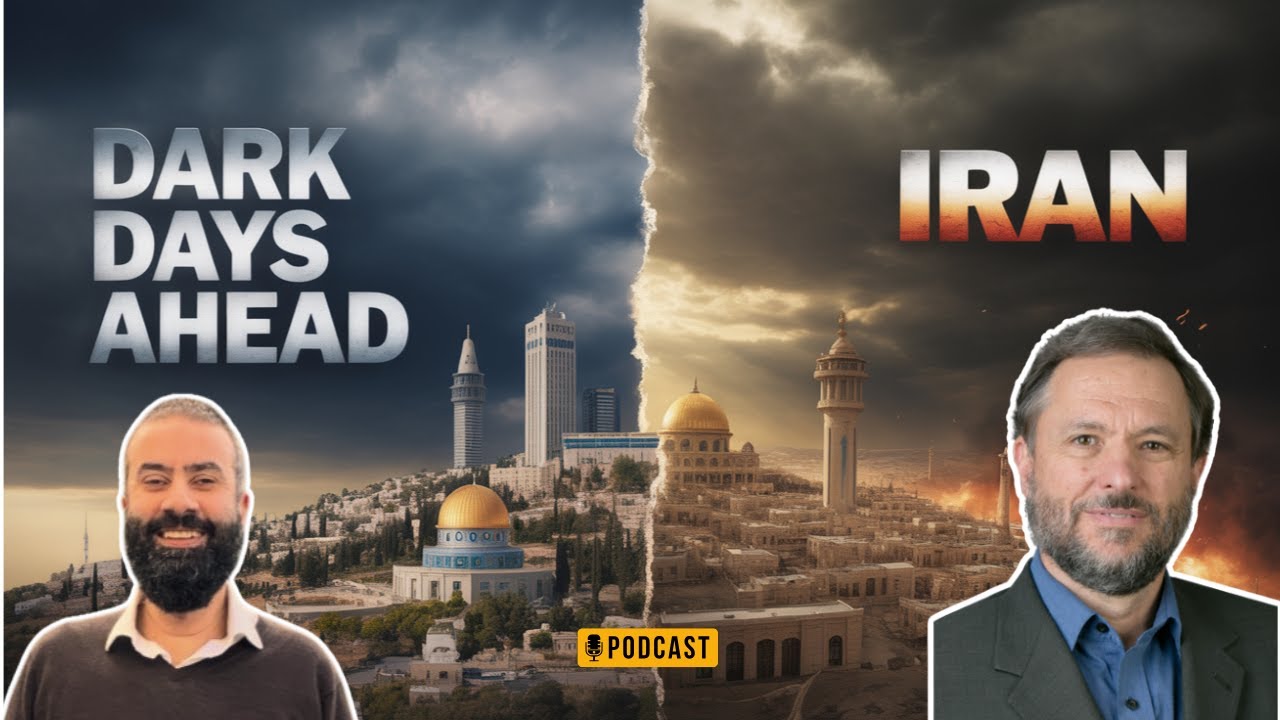
Why Israel Can’t Destroy Iran’s Nuclear Programme: Professor Steven Zunes on the Israel-Iran War
Was the Israel-Iran war ever really about nuclear weapons? And why might Israel’s campaign end up strengthening the very regime it was meant to weaken?
In this episode of the Kianistan Podcast, host Tafhim Kiani sits down again with Professor Steven Zunes of the University of San Francisco to examine the Israeli attack on Iran, the collapse of nuclear diplomacy, and what may come next.
Drawing on decades of research into US Middle East policy, Professor Zunes argues that the war was never really about preventing an Iranian bomb — and that the policies pursued by Washington and Tel Aviv are likely to produce the opposite of their stated goal.
The conversation covers the collapse of the JCPOA, the double standards embedded in global non-proliferation policy, and the risk of a far wider regional war.
Key Topics Discussed
Why the US Should Have Stayed in the Iran Nuclear Deal
Professor Zunes begins by laying out why the diplomatic path already existed — and was abandoned.
The discussion explores:
- The nearly decade-long negotiation process behind the JCPOA
- Why Trump’s promise of a “better deal” was unrealistic
- How Israeli strikes expanded well beyond nuclear-related targets to government and industrial sites
The Real Motivation Behind the Attack on Iran
Zunes argues the true concern was never a suicidal nuclear strike on Israel, but regional deterrence itself.
Topics include:
- Full-spectrum dominance and resistance to any regional rival, not just China
- Why even a small Iranian nuclear deterrent threatens ongoing US and Israeli interventions
- The lesson Iran drew from Iraq’s disarmament and Libya’s collapse
- North Korea as the counterexample of deterrence succeeding
Trump, Netanyahu, and the Timing of the War
The conversation examines how far in advance this operation appears to have been planned.
- Evidence the US knew about the attack in advance
- Why Trump excluded Israel from his earlier Middle East visit
- The shifting, inconsistent US positions on acceptable uranium enrichment levels during negotiations
Nuclear Double Standards and the Non-Proliferation Treaty
Professor Zunes lays out the legal double standards underpinning the entire dispute.
- Why Israel, India, and Pakistan face no equivalent restrictions despite their own arsenals
- UN Security Council resolutions on Israel’s nuclear program that have never been enforced
- The unmet disarmament obligations of the existing nuclear powers under the NPT
- A proposed regional uranium enrichment consortium that could have defused the crisis
Can Bombing Actually End Iran’s Nuclear Program?
The discussion turns to whether military strikes can achieve what their proponents claim.
- Why killing individual scientists cannot erase institutional knowledge
- Iran’s underground, hardened nuclear facilities
- Why regime change attempted through outside bombing tends to backfire
- Comparisons to Serbia and Iraq, and the “rally around the flag” effect
The Risk of a Wider War
The episode closes on how far this conflict could still escalate.
- Israel’s dwindling interceptor missile stockpiles
- The danger of Iran attempting to close the Strait of Hormuz
- Scenarios in which the United States could be drawn into direct military involvement
- The role of China and Russia in backing Iran’s sovereignty without direct intervention
Major Takeaways
- The United States could have avoided this crisis entirely by remaining in the 2015 nuclear deal.
- The core concern driving the war is regional deterrence, not a fear of an unprovoked Iranian nuclear strike.
- Global non-proliferation policy applies starkly different standards to Israel, India, and Pakistan than to Iran.
- Bombing campaigns cannot erase nuclear knowledge and often strengthen rather than weaken targeted regimes.
- Israel faces a real risk of exhausting its missile interceptor stockpile within weeks.
- China and Russia are likely to continue backing Iran’s sovereignty without direct military intervention.
About Professor Steven Zunes
Professor Steven Zunes is a Professor of Politics and International Studies at the University of San Francisco and a leading expert on US foreign policy toward the Middle East and West Asia.
His work focuses on:
- US Foreign Policy
- Middle East Politics
- Nuclear Non-Proliferation
- Nonviolent Resistance Movements
- International Law
About Kianistan Podcast
Hosted by Tafhim Kiani, the Kianistan Podcast features conversations with leading academics, diplomats, and analysts on the conflicts and power struggles shaping the Middle East and the wider world. This episode marks Professor Zunes’s return to the show for an in-depth look at the Israel-Iran war.
Topics regularly include:
- Iran
- Israel
- Middle East
- US Foreign Policy
- Nuclear Non-Proliferation
- International Relations
- World Politics
Frequently Asked Questions
Who is Steven Zunes?
Steven Zunes is a Professor of Politics and International Studies at the University of San Francisco and a leading expert on US foreign policy toward the Middle East.
Why couldn’t Israel destroy Iran’s nuclear programme?
According to Professor Zunes, Iran’s nuclear knowledge and infrastructure are too dispersed and deeply entrenched — including underground, hardened facilities — for bombing campaigns to eliminate, and killing scientists cannot erase institutional knowledge.
Why does Professor Zunes say the war wasn’t really about nuclear weapons?
He argues the US could have prevented an Iranian bomb by staying in the 2015 nuclear deal, and that the real motivation was resisting Iran as a regional power capable of deterring further US and Israeli intervention.
What is the Non-Proliferation Treaty double standard discussed in this episode?
Professor Zunes points out that Israel, India, and Pakistan maintain nuclear arsenals outside NPT restrictions with no equivalent international pressure, while Iran faces severe restrictions despite lacking nuclear weapons.
Conclusion
As the Israel-Iran war continues to unfold, Professor Steven Zunes offers a sobering assessment: military force is unlikely to achieve what diplomacy already had within reach a decade ago.
From the double standards of global non-proliferation policy to the risk of a wider regional war, this conversation lays out why bombing Iran’s nuclear program may prove counterproductive in the long run.
Whether you’re interested in Middle East politics, nuclear policy, or US foreign relations, this episode is essential listening.
SEO Keywords
- Steven Zunes
- Iran Nuclear Program
- Israel Iran War
- JCPOA
- Iran Nuclear Deal
- Non-Proliferation Treaty
- US Foreign Policy Middle East
- Netanyahu