
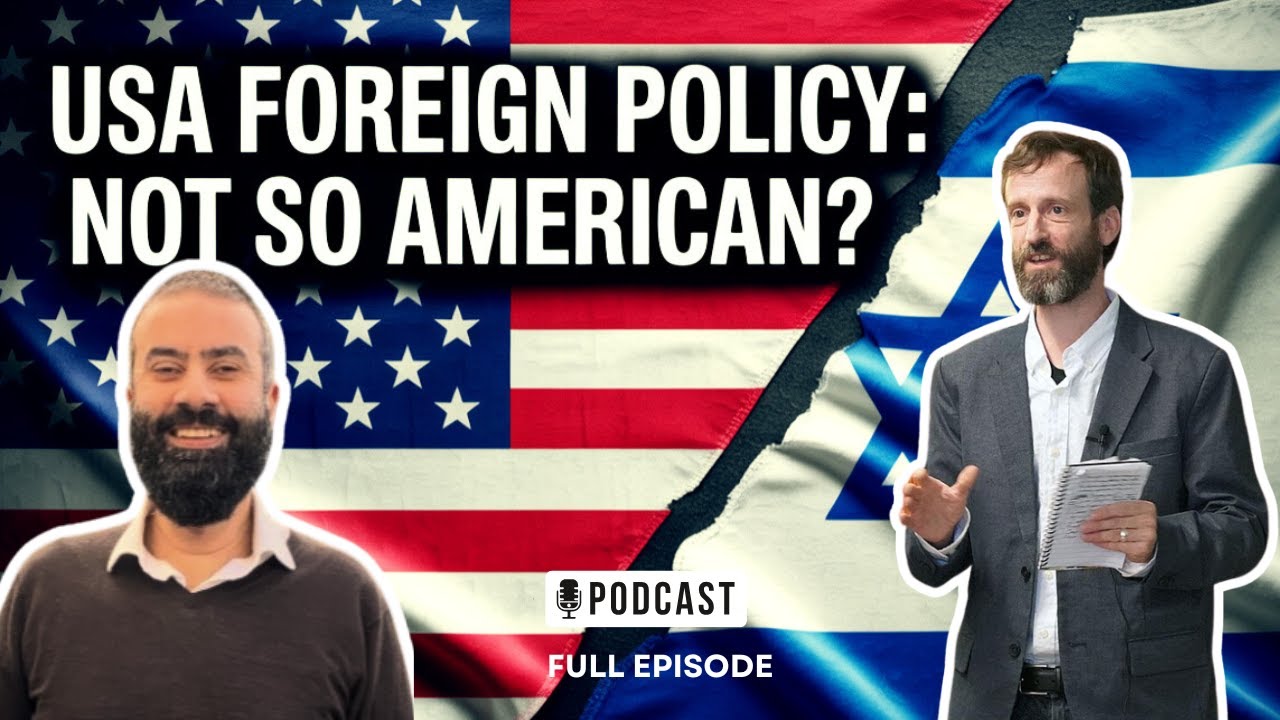
7 Key Takeaways: America First or Israel First? Scott Horton on Trump’s Second Term
America First or Israel First is the defining question of modern U.S. foreign policy as we head into a second Trump administration. In a recent episode of the podcast, renowned libertarian author and analyst Scott Horton breaks down the complex dynamics between the Trump “America First” movement and the enduring influence of the Israel lobby.
Watch on YouTube: [Link to Podcast Episode]
1. The Paradox of America First or Israel First
The “America First” slogan implies a policy of non-interventionism and prioritizing domestic needs. However, Scott Horton highlights a glaring contradiction: while Trump often speaks against “forever wars,” his administration’s actions in the Middle East—such as moving the U.S. embassy to Jerusalem and withdrawing from the JCPOA—have often been characterized as “Israel First.” Understanding the tension between America First or Israel First is essential to predicting future policy.
2. Personnel is Policy: The Return of the Hawks
A major theme of the discussion is the potential cabinet for Trump’s second term. Horton notes that while Trump may have non-interventionist instincts, he often surrounds himself with “Neoconservative” figures like Marco Rubio or Mike Waltz. Whether the administration leans toward America First or Israel First will largely depend on whether Trump listens to his populist base or his traditional hawkish advisors.
3. The Abraham Accords vs. Real Peace
The Abraham Accords were touted as a breakthrough for Middle East peace. However, Horton argues that these deals were more about forming a military alliance against Iran than achieving regional stability. This shift raises the question: are these alliances serving America First or Israel First interests by locking the U.S. into potential regional conflicts?
4. Maximum Pressure and the Iran Question
The “Maximum Pressure” campaign against Iran remains a cornerstone of the GOP platform. Horton explains how this policy, heavily supported by the Israel lobby, often runs counter to the “America First” goal of avoiding new wars. The debate over America First or Israel First becomes most heated when discussing whether U.S. troops should be used to counter Iranian influence.
5. The Influence of the Israel Lobby
Horton provides an in-depth look at the role of major donors and lobbying groups in shaping Republican foreign policy. He argues that the financial and political weight of these groups often tilts the scales, making it difficult for an administration to truly pivot away from Middle Eastern entanglements and toward a genuine America First or Israel First resolution.
6. Ukraine, Russia, and the Shift in Focus
While much of the discussion focuses on the Middle East, Horton also addresses the war in Ukraine. He suggests that a true “America First” approach would prioritize de-escalation with Russia to avoid a broader European conflict, a move that often clashes with the establishment’s desire to maintain global hegemony.
7. What to Expect in Trump’s Second Term
Will we see a more disciplined version of Trump? Horton remains skeptical but hopeful. He emphasizes that the American public is increasingly tired of foreign intervention. The struggle between America First or Israel First will be the central battleground for the soul of the Republican Party over the next four years.
Further Reading and Resources:
-
To understand the roots of these conflicts, read Scott Horton’s book Enough Already: Time to End the War on Terrorism.
-
Explore more on U.S. non-interventionism at the Libertarian Institute.
-
For a historical perspective on U.S. foreign policy, visit Antiwar.com.
Internal Link: Check out our previous episode on Islamic Metaphysics and Causality for a different perspective on global philosophy.
Watch on YouTube : https://youtu.be/8T9hEDheQ2c