
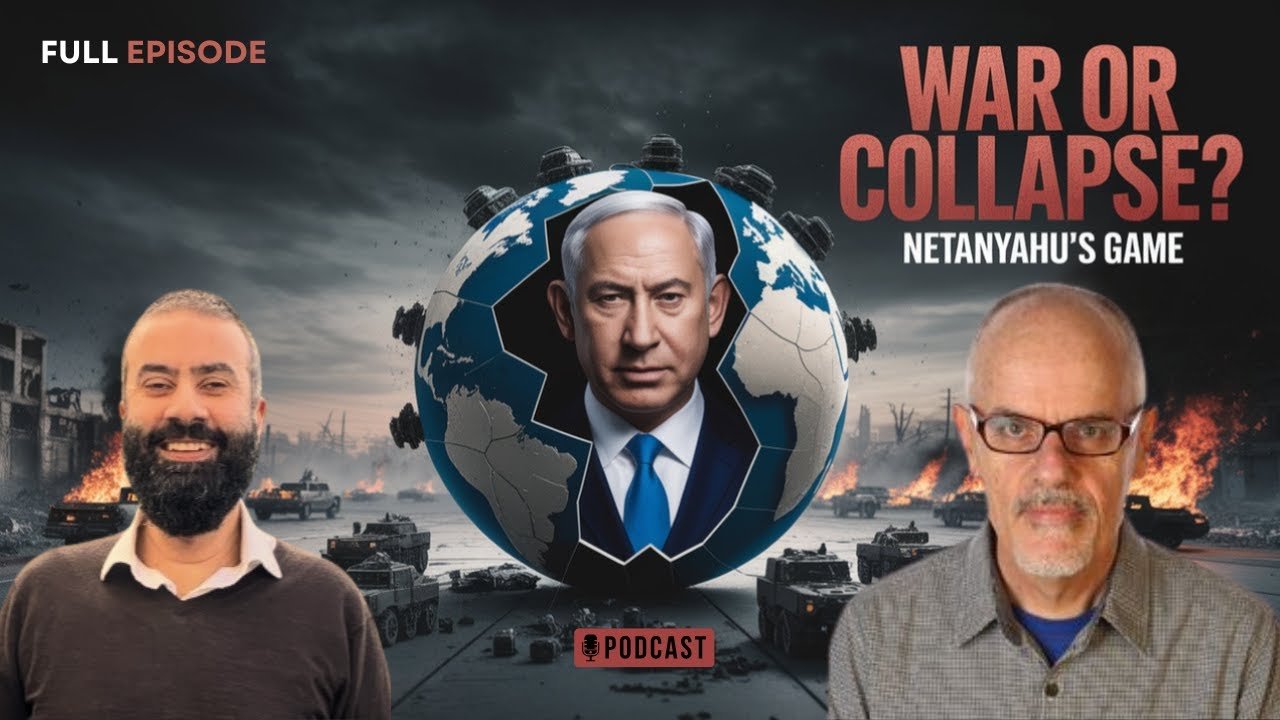
Dr. Tim Anderson on Lebanon, Hezbollah, and Resistance in West Asia
We are honored to welcome Dr. Tim Anderson back to the Kianistan Podcast. Known for his in-depth analysis of Middle Eastern politics, Dr. Anderson shares his latest insights after recent travels across Syria, Lebanon, Yemen, Iraq, and Iran. His firsthand experiences provide a rare glimpse into the realities on the ground in these complex regions.
Traveling Through West Asia: Syria, Lebanon, and Yemen
Dr. Anderson has recently been visiting multiple countries in West Asia. He notes the critical importance of being on the ground, witnessing firsthand the impact of conflicts and international policies. From Syria to Lebanon and Yemen, he has observed the resilience of local populations despite the immense challenges posed by war, sanctions, and foreign interventions.
Beirut and South Lebanon: Devastation and Resilience
During his visit to Beirut and South Lebanon, Dr. Anderson witnessed devastation comparable to Gaza. Many areas were heavily bombed, with entire apartment blocks destroyed. Despite this, the people of South Lebanon demonstrated extraordinary resilience.
“In all the destruction, people were still sitting around, drinking tea, and remaining on their land. It’s an extraordinary sight,” Dr. Anderson shares.
He also emphasizes the psychological trauma affecting civilians, especially children, due to repeated Israeli bombings. Yet, amidst the destruction, a strong spirit of resistance persists, reflecting the unyielding determination of the Lebanese people.
The Role of Hezbollah and Resistance
Dr. Anderson highlights the crucial role of Hezbollah, Amal, and Palestinian militias in defending South Lebanon. Despite being heavily outgunned in terms of air defense, these groups successfully repelled ground invasions.
While Israeli strikes have damaged Hezbollah’s leadership and munitions stockpiles, the organization remains a central pillar of resistance in Lebanon. Dr. Anderson underscores the combined effort and strategic cooperation between Hezbollah, Amal, and Palestinian resistance groups in protecting their communities.
The Impact of Foreign Policies
Dr. Anderson points out that countries like Israel and the USA have actively prevented Lebanon and other regional actors from developing effective air defenses. This policy has caused immense civilian suffering, while resistance groups continue to adapt and survive.
“It’s pathetic that the policy has been to cause as much misery as possible to civilians. Yet the resistance remains unbroken,” Dr. Anderson states.
Lessons from the Ground
Dr. Anderson’s observations from Beirut and South Lebanon provide valuable lessons for understanding regional dynamics:
-
Resilience of civilians despite severe destruction.
-
Strategic coordination among resistance groups to defend their territory.
-
The limitations imposed by foreign interventions on local defense capabilities.
-
The psychological and societal impact of repeated bombardments.
Conclusion: Strength Amidst Struggle
Even in the face of repeated attacks and loss, Lebanon’s spirit of resistance remains intact. Dr. Anderson’s insights highlight the resilience of ordinary people and the strategic significance of regional actors like Hezbollah in shaping West Asia’s geopolitical landscape.
For those interested in Middle Eastern politics, conflict resolution, and the realities of resistance movements, this episode of the Kianistan Podcast offers invaluable perspective straight from the ground.
Tags: #Lebanon #Hezbollah #WestAsia #MiddleEast #Resistance #TimAnderson #Syria #Yemen #KianistanPodcast #Geopolitics #ConflictAnalysis