
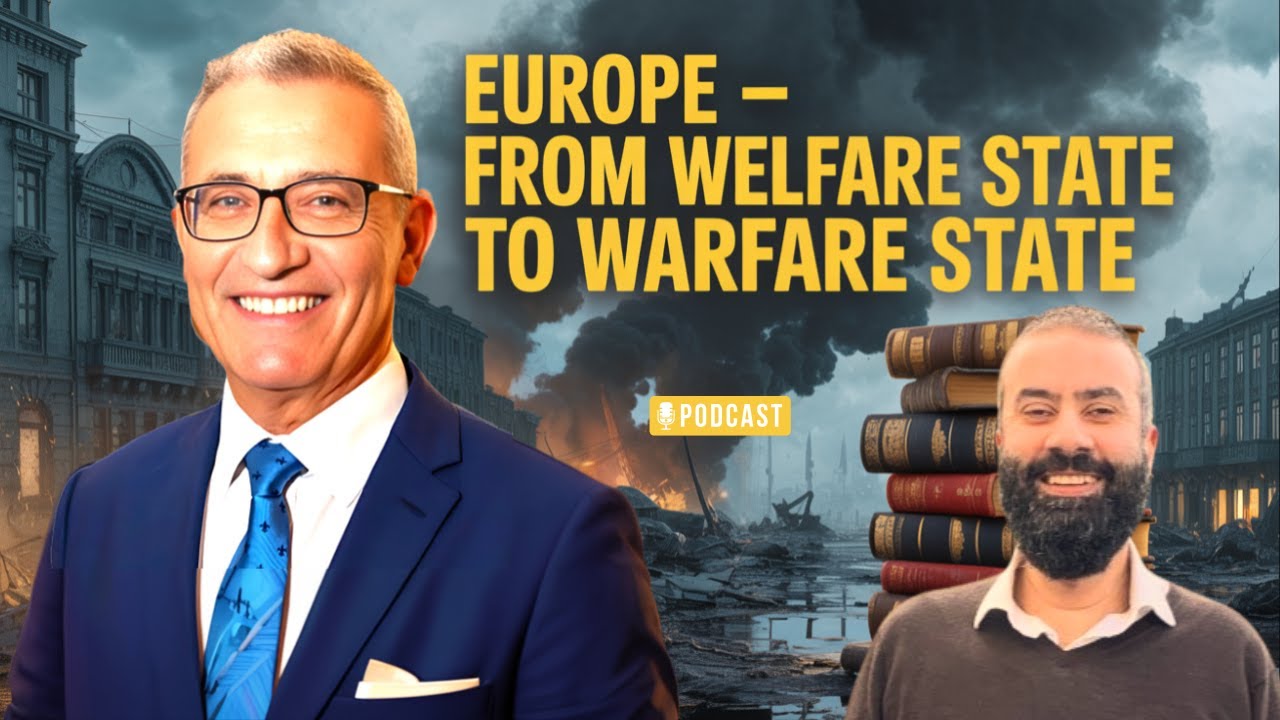
Europe’s Missed Chances & Ukraine’s War: A Deep Conversation on Diplomacy, NATO, and Europe’s Future
What led to the Russia-Ukraine war? Did Europe miss opportunities for peace? Explore a deep geopolitical discussion on NATO, diplomacy, Ukraine, Malta, and the future of Europe.
Europe’s Missed Chances & Ukraine’s War: What Went Wrong?
The Russia-Ukraine war continues to reshape global politics, European security, and international diplomacy. But an important question remains: Could this conflict have been avoided?
In Episode 56, a powerful geopolitical discussion explores Europe’s missed opportunities, NATO expansion, diplomacy failures, and the future of the European Union. Featuring insights from former Maltese Foreign Minister Evarist Bartolo, the conversation dives into some of the most debated issues surrounding the Ukraine war, Europe’s changing identity, and the global shift toward a multipolar world.
This episode goes beyond headlines and explores the deeper political, historical, and diplomatic questions that continue to influence global affairs.
Understanding the Russia-Ukraine War Beyond Headlines
The Ukraine conflict is often discussed through military updates and battlefield developments. However, this episode takes a broader geopolitical approach by examining the historical decisions and diplomatic failures that may have contributed to the crisis.
A major discussion point centers around NATO expansion after the Cold War and whether Europe and Western powers missed opportunities to build long-term security cooperation with Russia.
The conversation explores how diplomatic relations changed after the collapse of the Soviet Union and whether stronger cooperation could have prevented rising tensions across Eastern Europe.
Rather than viewing the war as a sudden event, the discussion frames it as part of a much longer geopolitical process involving security concerns, political mistrust, and changing alliances.
Europe’s Security Crisis and NATO’s Future
One of the biggest questions raised in this episode is the future of European security.
For decades, many European nations relied heavily on security guarantees from the United States. But with shifting political priorities and changing global power structures, Europe is increasingly being forced to rethink its own defense strategy.
Key questions explored include:
- Can Europe develop independent strategic autonomy?
- Is a stronger European military realistic?
- What role will NATO play in the future?
- Can European countries remain united despite competing national interests?
The episode highlights how Europe faces growing challenges in balancing military security, economic stability, and diplomatic relationships with global powers like Russia and China.
Diplomacy vs Conflict: Has Europe Lost the Art of Negotiation?
One of the strongest themes throughout the episode is the importance of diplomacy.
The discussion repeatedly raises concerns that modern geopolitics has shifted away from negotiation and toward confrontation. Instead of prioritizing diplomacy, global powers increasingly rely on sanctions, military pressure, and political polarization.
Historical examples are referenced to show how previous international crises were resolved through negotiation rather than escalation. The episode argues that diplomacy once played a stronger role in maintaining global stability and preventing major conflicts.
In today’s geopolitical environment, many experts believe rebuilding diplomatic channels is essential to reducing future risks and restoring international trust.
Malta’s Unique Perspective on Neutrality and Global Politics
The episode also provides a fascinating perspective through the lens of Malta’s geopolitical position.
As a small Mediterranean nation with a long and complex history, Malta has traditionally focused on neutrality, diplomacy, and maintaining balanced international relationships.
The discussion explores:
- Malta’s relationship with the United Kingdom after independence
- The impact of Brexit on smaller European nations
- Why neutrality remains strategically important
- The risks small countries face in large geopolitical conflicts
Malta’s position offers an interesting example of how smaller states navigate global tensions without becoming fully aligned with major military blocs.
Europe’s Economic and Political Challenges
Beyond war and diplomacy, the conversation examines broader concerns about Europe’s long-term future.
Some major topics include:
Economic Competitiveness
Europe faces increasing pressure to remain competitive against global economies such as China and the United States. Questions around innovation, manufacturing, technology, and economic growth remain central to Europe’s future.
Migration and Demographics
Declining birth rates and aging populations are creating labor shortages across Europe. The discussion raises questions about migration policies and whether Europe can sustain economic growth without demographic reforms.
Political Fragmentation
The episode also touches on political divisions within the European Union. Different countries often have competing interests regarding trade, foreign policy, energy security, and military alliances.
This raises an important question: Can Europe remain politically unified in an increasingly multipolar world?
The Rise of a Multipolar World
Another major theme discussed is the transition from a Western-dominated international system toward a more multipolar global order.
Countries and regional blocs are increasingly developing alternative partnerships and economic structures outside traditional Western influence. This includes growing relationships between nations across Asia, the Middle East, and Africa.
The discussion highlights how global influence is shifting and why diplomacy may become more important than ever in navigating future international relationships.
Why This Episode Matters
This episode is not simply about the Ukraine war. It is about understanding the larger geopolitical forces shaping today’s world.
It asks difficult but important questions:
- Could diplomacy have prevented war?
- Did Europe miss key opportunities after the Cold War?
- What is the future of NATO?
- Can Europe adapt to a changing global order?
- How should nations balance security, sovereignty, and cooperation?
For anyone interested in geopolitics, international relations, European politics, or global security, this conversation provides valuable perspectives and thought-provoking analysis.
Watch / Listen to the Full Episode
If you want a deeper understanding of Europe’s geopolitical challenges, the Russia-Ukraine conflict, NATO’s future, and diplomacy in modern politics, Episode 56 offers a detailed and insightful discussion.
Listen now to explore one of the most important geopolitical conversations shaping the modern world.
SEO Keywords Used: Russia Ukraine War, Europe missed chances, NATO expansion, Ukraine conflict analysis, Europe geopolitics, diplomacy and war, future of Europe, European Union security, Malta foreign policy, Russia NATO relations.