
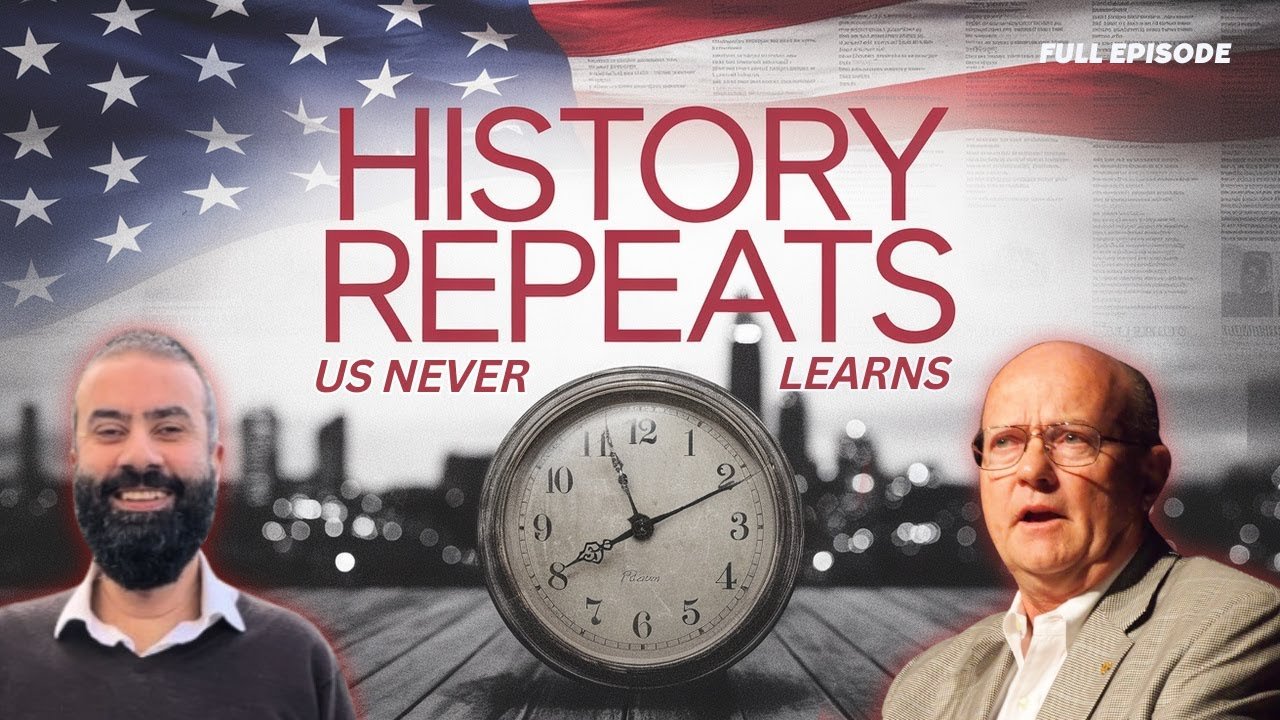
What the US Got Wrong in Iraq & Afghanistan – Col. Lawrence Wilkerson
Introduction
In this episode of Kianistan, retired U.S. Army Colonel Lawrence Wilkerson shares candid insights into America’s wars in Iraq and Afghanistan. Drawing from his extensive military career and close work with Secretary of State Colin Powell, Wilkerson sheds light on flawed strategies, political miscalculations, and the devastating human consequences of these conflicts.
From Vietnam to the Middle East
Colonel Wilkerson’s career began in Vietnam, where he quickly realized the futility of U.S. military engagement. He recalls the “stupid mistakes” of free-fire zones and the loss of innocent lives, comparing them to later U.S. failures in Iraq and Afghanistan. His experience in Vietnam shaped his strong opposition to long-term military entanglements.
Iraq: A Strategic Blunder
According to Wilkerson, the 2003 invasion of Iraq was a “stupid war” that dismantled the balance of power in the Gulf. Removing Saddam Hussein empowered Iran and left the U.S. entangled in endless conflict. He emphasizes how oil, Israel’s strategic interests, and political ambition — not weapons of mass destruction — were the real drivers of the war.
Afghanistan: A Lost Opportunity
Wilkerson advised Powell early on to strike al-Qaeda and leave quickly, but Washington chose occupation. He argues that Afghanistan, with its mountainous terrain and resilient resistance, was always a losing battlefield. Instead of focusing on the mission, the U.S. allowed Osama bin Laden and al-Qaeda leaders to escape, prolonging the war for two decades.
Colin Powell, Leadership, and WMDs
One of the most pivotal moments in modern U.S. foreign policy was Powell’s UN speech on weapons of mass destruction. Wilkerson reveals how Powell — misled by Vice President Cheney and the CIA — later admitted it was the lowest point of his career. The incident tarnished Powell’s legacy and symbolized the manipulation of intelligence to justify war.
The Special Relationship: Blair and Bush
The interview also explores the UK’s role. Despite massive protests in London, Tony Blair sided with George W. Bush, cementing the “special relationship.” Wilkerson notes Blair eventually became a “cheerleader” for the war, even providing weak intelligence claims such as Saddam Hussein’s alleged ability to strike London in 45 minutes.
Lessons from the Empire
Wilkerson highlights the deeper issue: the U.S. empire’s willingness to use military force to maintain dominance, often at the expense of nonwhite lives. He stresses that Arab and other nonwhite populations are treated as expendable within the logic of imperial power.
Watch on YouTube
👉 Watch the full conversation with Col. Lawrence Wilkerson on YouTube
If you missed it, check out our previous episode:
📺 https://youtu.be/SCYFoj0G_FQ?si=8Q0YG1NNW19N-_AU
Conclusion
Col. Wilkerson’s reflections remind us that the wars in Iraq and Afghanistan were not just strategic missteps but moral failures. The cost was measured not only in trillions of dollars but in millions of shattered lives. His testimony challenges us to rethink the future of U.S. foreign policy and the price of empire.
Tags
#IraqWar, #AfghanistanWar, #LawrenceWilkerson, #ColinPowell, #USForeignPolicy, #MiddleEast, #KianistanPodcast, #EmpirePolitics, #WarOnTerror, #Geopolitics